Best Time to See Whales In & Around Avila Beach & Pismo Beach (Complete 2026 Local Guide)
If you're planning whale watching in Avila Beach, understanding seasonal marine patterns is critical. The Central Coast of California is one of the richest marine feeding grounds in the Pacific due to powerful upwelling currents that bring anchovies, sardines, and krill close to shore. This creates ideal feeding conditions for humpback whales, gray whales, dolphins, harbor seals and sea lions. As a licensed US Coast Guard captain operating from Port San Luis, I’ve observed these seasonal cycles year after year. I have years of experience photographing marine sealife and humpback whales and even though every year is a bit different, there are some common patterns.
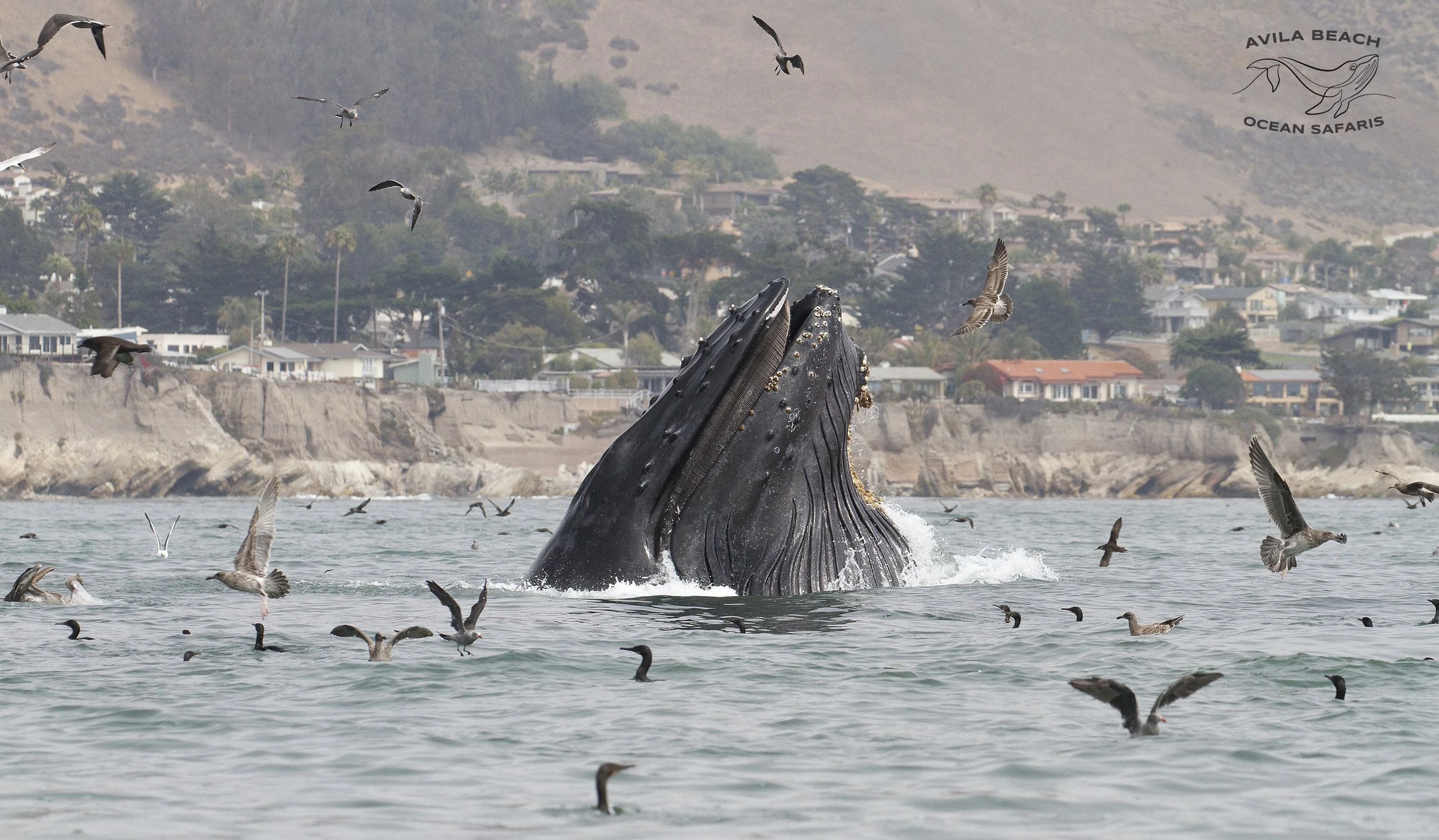
Humpback Whale Lunge Feeding near Pismo Beach, California.
Water temperature is super important! This has a lot to do with whether or not we have a lot of wind here on the Central Coast and some years are windier than others. This causes upwelling and the water tends to stay cooler. Typically when the wind subsides in June-October we see much more humpback whale activity along along the coast of Pismo Beach and Avila Beach.
Below is a detailed breakdown of what to expect each month and why timing your trip correctly increases your chances of unforgettable wildlife encounters.
Winter: January – March (Gray Whale Migration)
Gray whales migrate along the California coastline during winter. While they are typically traveling rather than feeding, sightings offshore of Avila Beach do occur. Ocean conditions can impact visibility during this period, but patient wildlife tracking can produce meaningful encounters. This period is considered moderate in activity compared to peak summer feeding, yet it offers a quieter, scenic experience along the Central Coast.
Typically Avila Beach Ocean Safaris does not actively seek out the Gray Whale but that is not to say they are not seen sometimes from Point Buchon to Point Sal and even closer to the coast.
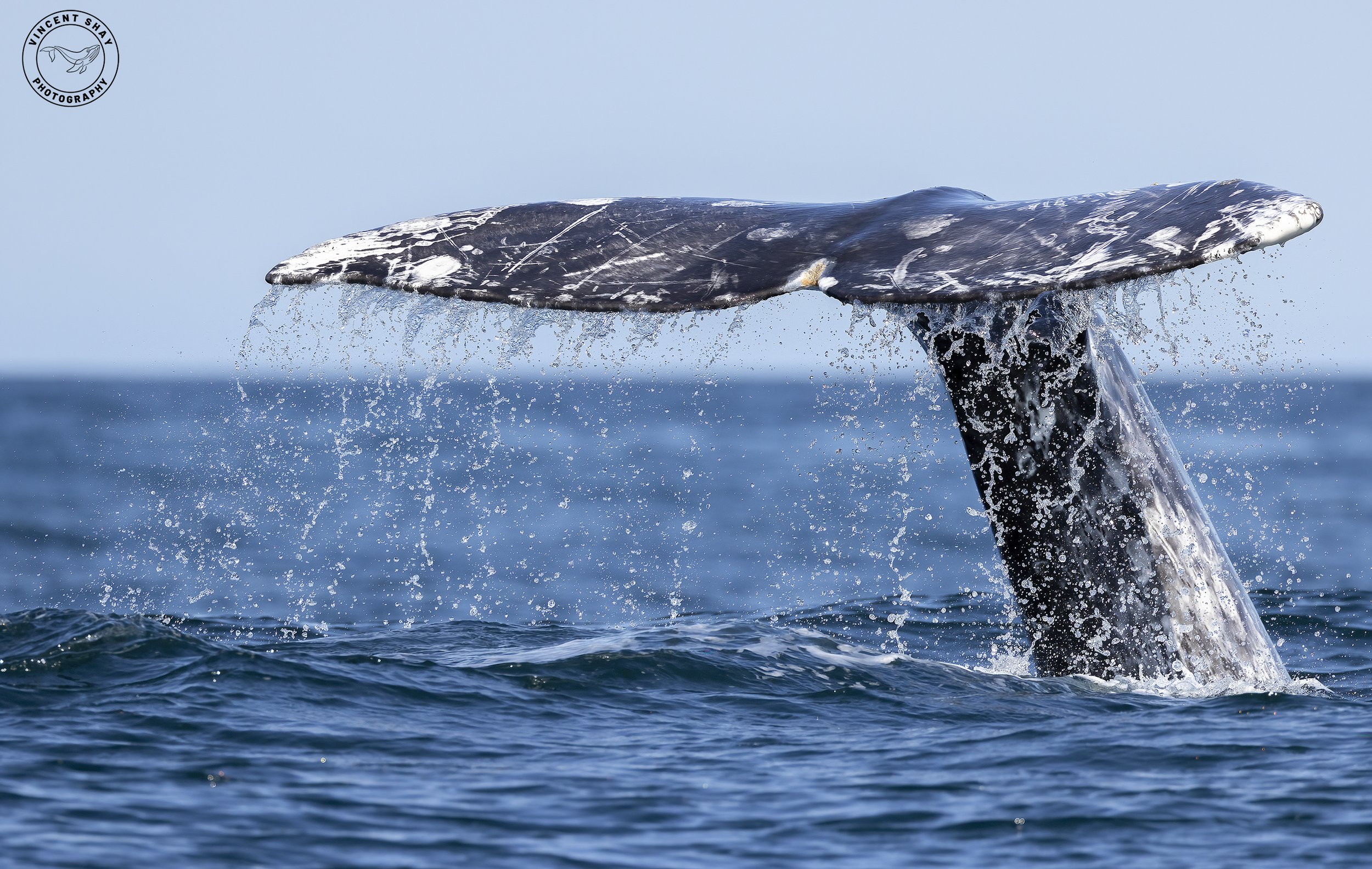
Gray Whale Fluke April 2025 outside of the Point San Luis Lighthouse.
Spring: April – June (Humpbacks Arrive)
Spring marks a major transition. Nutrient-rich waters intensify and humpback whales begin feeding offshore of Port San Luis. This is when lunge-feeding behavior becomes more frequent. Guests often witness dramatic tail dives, surface lunges, and cooperative feeding activity with sea lions and seabirds. Wildlife density steadily increases through late spring.
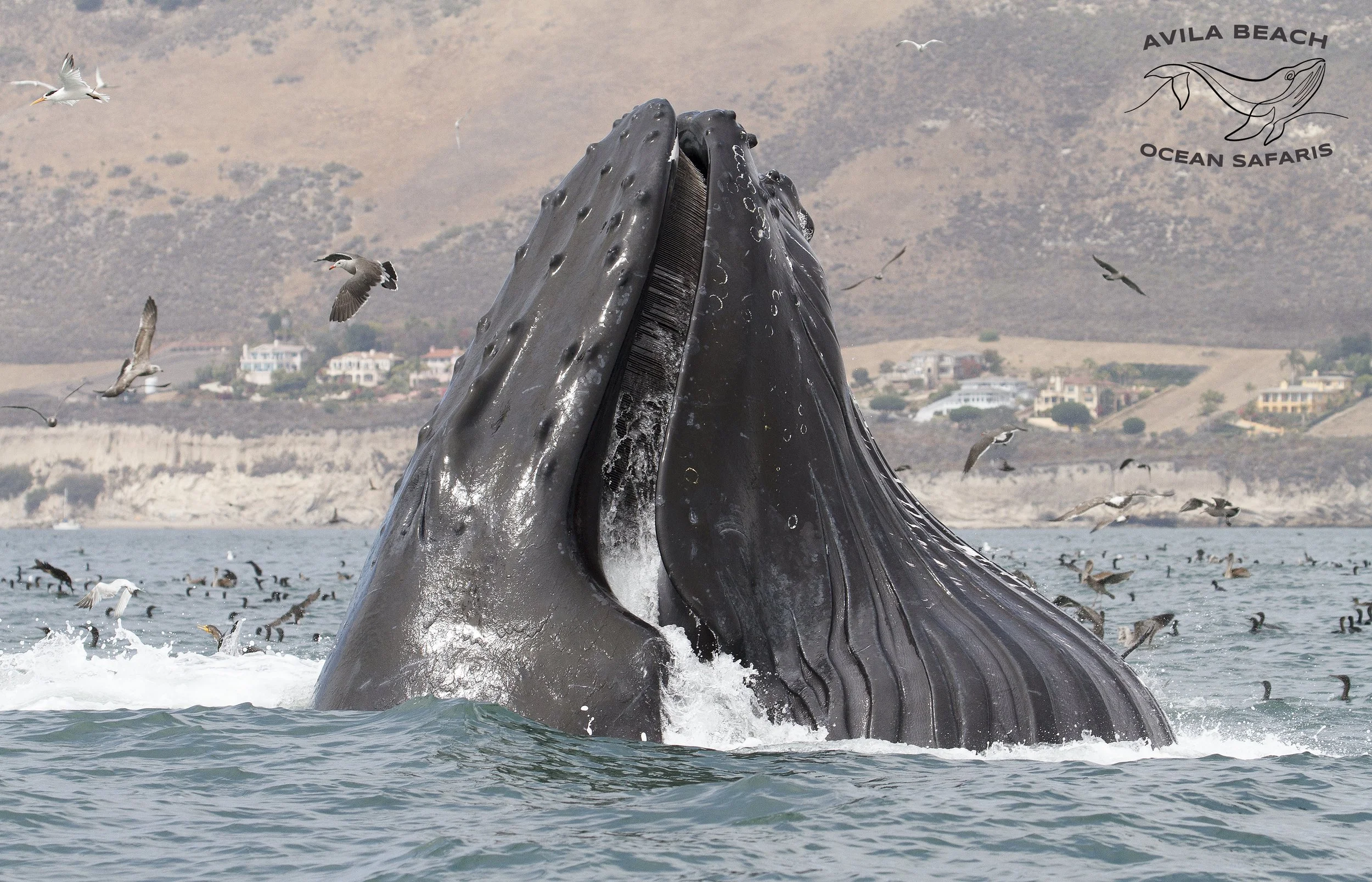
Lunge Feeding Humpback Whale Near Pismo Beach, California.
Summer & Early Fall: June – December (Peak Whale Watching Season)
This is the best time to see whales in and around Avila Beach and Pismo Beach. Humpback whales dominate the feeding grounds, and blue whales are frequently sighted between July and September. Morning departures typically provide calmer sea conditions, maximizing viewing and photography opportunities.
Feeding events can occur close to shore due to concentrated bait schools. Species commonly observed during peak season include humpbacks, minke whales, Risso’s dolphins, common dolphins, California sea lions, brown pelicans, and occasional mola mola. For visitors traveling from Los Angeles, San Francisco, Fresno, or Bakersfield, late summer offers the highest probability of dynamic wildlife encounters.
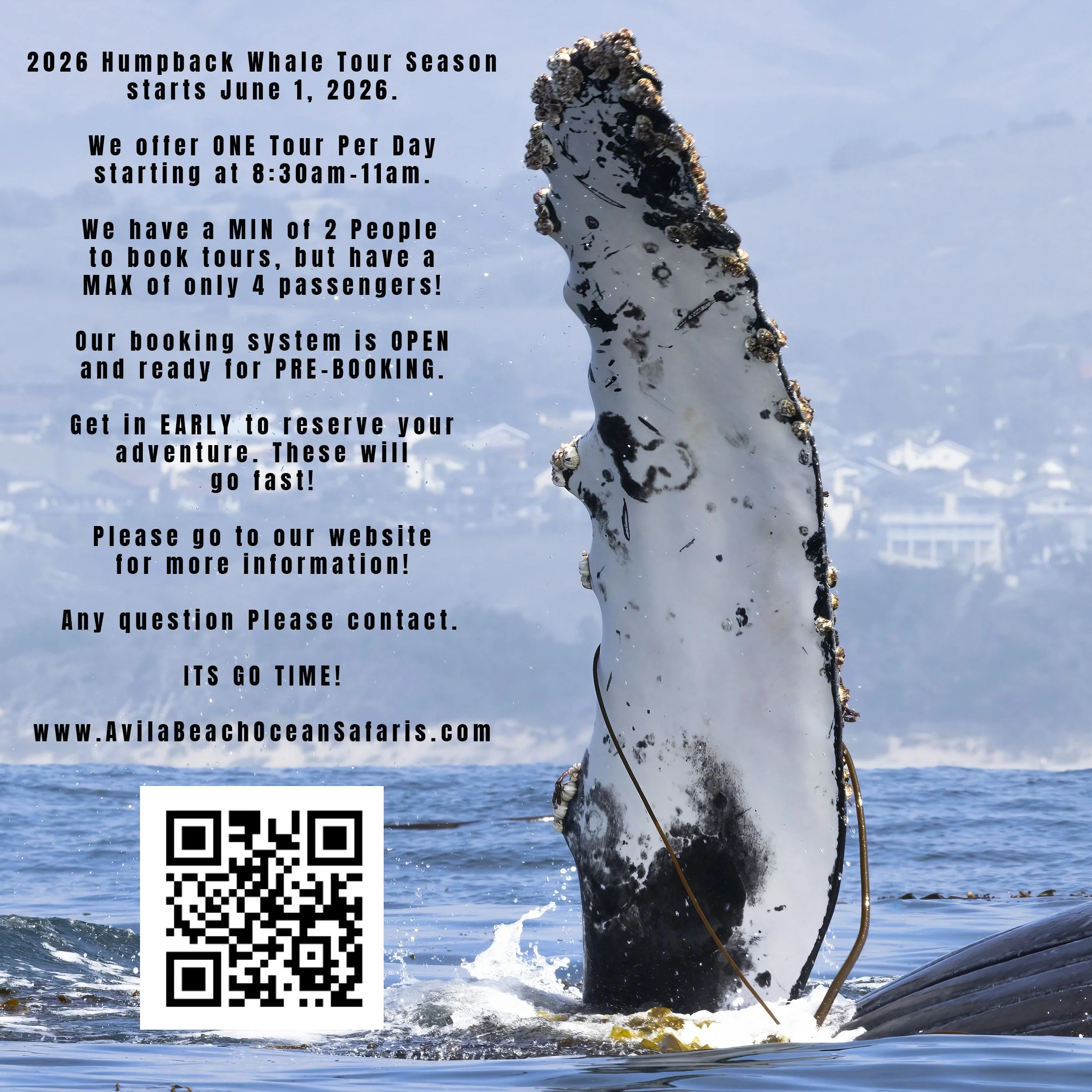
Avila Beach Ocean Safaris typically start booking Whale Watching Tours in June to maximize the probability of humpback whale sightings. Every year is a bit different and if the whales and weather cooperate we do start earlier. Refer to this and our Instagram Site plus Facebook Site to get up to date sightings.
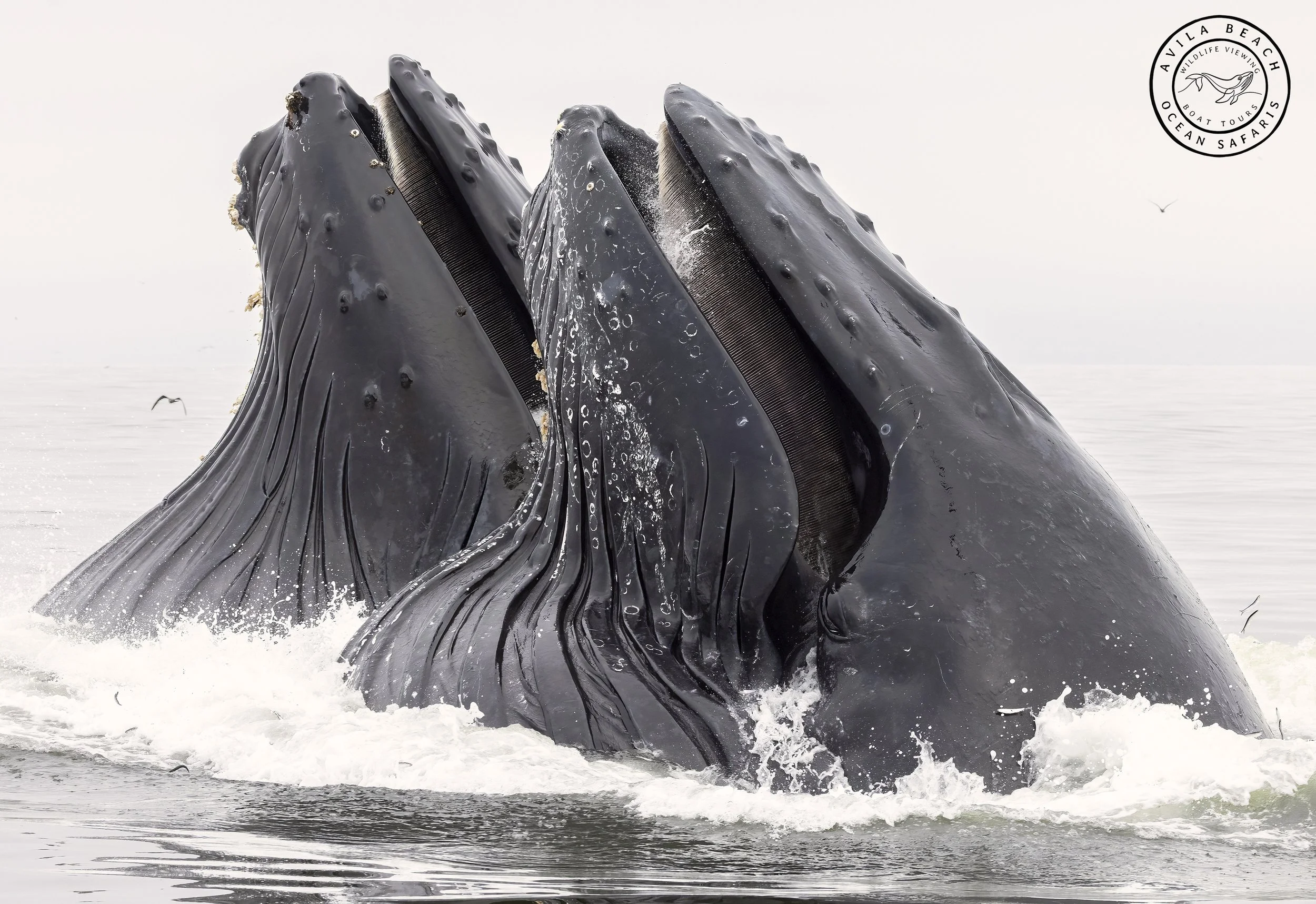
Lunge Feeding Humpback Whales in Avila Beach, California.
Late Fall: November – December (Seasonal Shift)
Feeding activity continues into early winter, though whale density gradually decreases. Humpbacks may linger depending on prey availability. While less predictable than summer, wildlife sightings remain possible and ocean traffic is lighter. Humpback Whales start migrating back down to Central America around November and December but we do see them well into December at times.
Why Avila Beach and the waters off the coast a Prime Feeding Zone?
Avila Beach and Port San Luis sit near a nutrient corridor where upwelling currents create ideal feeding grounds. Compared to ports that require longer harbor transit, quick access to deep water allows more active wildlife search time. This geographic advantage often translates into longer wildlife encounters and flexible routing based on whale movement.
Frequently Asked Questions
Is whale watching better in the morning? Yes. Calmer winds improve visibility and ocean stability.
Can you see whales year-round in San Luis Obispo County? Most months offer sightings, but July through October is peak.
What is the best month for humpback whales? Typically June through December when anchovies and bait fish concentrations are highest.
Conclusion
If maximizing wildlife probability is your goal, plan your whale watching Avila Beach trip during peak summer feeding season. Smaller group tours allow more personalized tracking and photography opportunities. If whales season is not part of your travel plans think of one of our high energy and educational Harbor Safaris where we will explore Port San Luis Harbor and Avila Beach viewing sea otters, harbor seals, sea lions, sea caves and learn more about our amazing area.
I have been a adventure and tour guide here on the Central Coast and Avila Beach for over 20 years and have the benefit of local experience that makes my tours unique to Avila Beach and Port San Luis Harbor. Hope to see you soon.
Book now!