Introducing the Avila Beach Shark Citizen Science Project.
The First of Its Kind in Avila Beach.
There are sharks living along the Central Coast, right here in Avila Beach, where I work, paddle, surf and dive-and that is something worth celebrating, studying, and protecting.
I am very excited to introduce the Avila Beach Shark Citizen Science Project, a small independent effort operated through Avila Beach Ocean Safaris. The goal is simple: responsibly observe, photograph and document sharks found in the waters around Avila Beach and Port San Luis Harbor and will also include, at times, Pismo Beach, Oceano and Oso Flaco and Pt. Sal areas.
This is NOT A COMMERCIAL SHARK TOUR. It is a local citizen science project built around education, responsible wildlife observation, and my genuine curiosity about the animals living just offshore.
Why Study Our Local Sharks?
Sharks are an important part of a healthy ocean, yet they are often misunderstood. Most people never get the opportunity to see a shark behaving naturally in the wild. Through this project I hope to document:
Shark Species observed in our local waters
Approximate locations and water depths
Ocean temperature and visibility
Wind, swell, and sea conditions
Interactions with other marine mammals, fish, seabirds and humans
Seasonal changes in shark activity
Over time, these observations may help us to develop a clearer picture of when sharks visit our coastline, where they are found, and how they use the waters surrounding Avila Beach and Port San Luis Harbor.
How the Project Works
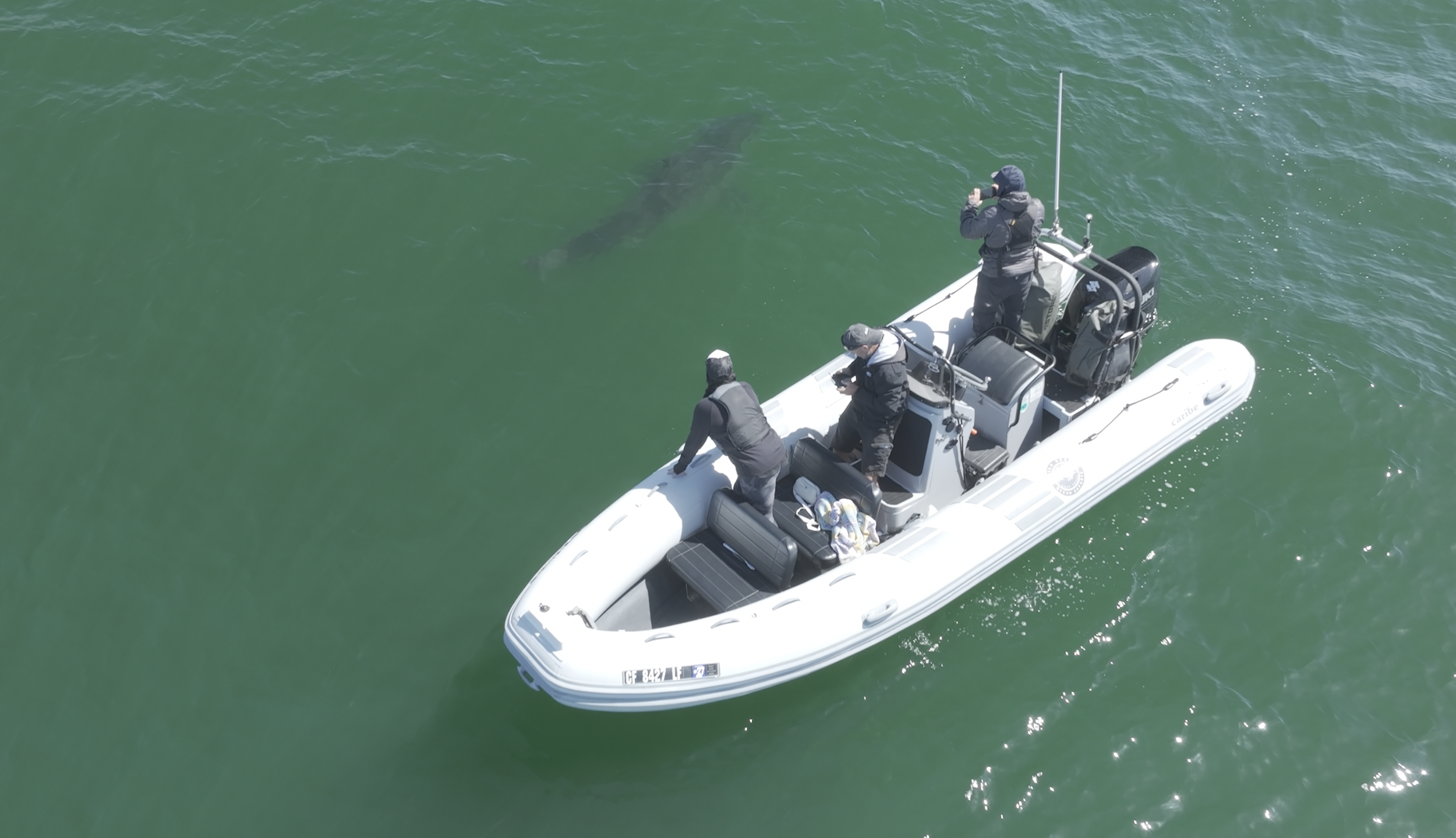
Most observations will be conducted from my boat I use for my wildlife and whale watching tours, using photography, video and aerial drone footage. The drone gives us an incredible view from above while allowing the shark to continue moving naturally. When conditions permit, I will record the animals size, identifying characteristics, direction of travel, behavior and other enviromental conditions.
Every outing will be documented in a dedicated science log I have created. Photographs and video will be reviewed afterward to help identify species and record anything unusual or especially interesting.
All observations will be conducted respectfully. These animals will not be chased, handled, fed, or intentionally disturbed. Wildlife welfare and safe boating always comes first.
Who Can Participate?
On some outings, I may invite one or two local ocean enthusiasts, photographers, naturalists, students, or community members to join me. These outings will be occasional, small scale citizen science outings-not regularly scheduled public tours. Participation will depend on weather, ocean conditions, shark activity, and the needs of the project. There is never a guarantee that we will locate a shark of any species. That uncertainty is part of working with wild animals and in the open ocean. Sometimes the search itself- and everything we encounter along the way- is part of the discovery.
Replacing Fear With Understanding
One of the most important goals of this project is education.
Sharks have been a part of our coastal eco system long before any of us arrived. Seeing them in their natural habitat often reveals something very different from the frightening image many people carry: an animal quietly cruising, conserving energy, and generally going about its life.
The more we observe and understand these animals the easier it becomes to replace fear with respect.
A Community-Based Project
The Avila Beach Shark Citizen Science Project is intentionally local. My focus will remain in Avila Beach, Port San Luis and the nearby coastline I have spent decades exploring, photographing and working on. Avila Beach is my home.
As the project develops, I hope to share observation reports, photographs, educational videos, and stories from the water right here in this website and through the others Avila Beach Ocean Safaris social media sites.
If you photograph or observe a shark in our local waters, I would love to hear about it. Community observations may help us recognize seasonal patterns and better understand behavior.
The project is beginning on a small scale, but that is how I believe meaningful citizen science often starts-with curiosity, careful observation, good records, and a desire to learn.
I am very excited to see where this goes in the near future and beyond.
Captain & Guide Vincent Shay